Cabins at Nevada State Parks: Where They Are and How Stays Work
Nevada State Park cabins can be appealing when you want a roof over your head but still want to spend time outdoors. The challenge is knowing which parks have cabins, what a published rate covers, and which details need confirming before you travel. Here’s how to compare the confirmed options and plan your stay without assuming that every cabin offers the same setup.
What to know before choosing a Nevada State Park cabin
A cabin stay is not automatically interchangeable with a campsite or a hotel room. The name alone does not tell you what sleeping arrangements, utilities, cooking equipment, linens, bathrooms, or accessibility features are available. Nor does a nightly rate, by itself, explain whether admission, taxes, cleaning charges, or other costs are included.
That is why it helps to divide your planning into two parts: what you can confirm from the current park information and what you still need to ask the park or official reservation channel. Start with the basics: which park has a cabin available for your dates, what the complete price will be, how many people and vehicles the reservation can accommodate, and what you need to bring.
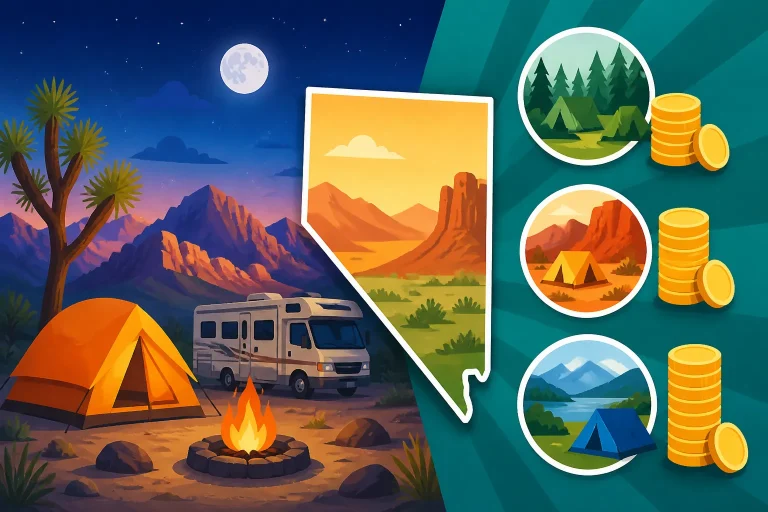
The cabin locations addressed here are Walker River State Recreation Area, Wild Horse State Recreation Area, and Spooner Lake State Park. The details available for those places are not identical: there are published nightly prices for Walker River and Wild Horse, while Spooner Lake’s listing directs visitors to contact the park about fees. Treat that difference as a planning detail, not a sign that the cabin experience is otherwise the same.
A current park listing is the place to begin, but it may not answer every practical question. If the listing is brief, contact the park using current contact details from its official website. Ask specific questions rather than relying on general terms such as “cabin,” “furnished,” or “campground lodging.” Those labels do not tell you what will be ready when you arrive.
Before paying, make sure you can distinguish the reservation itself from the rest of the trip budget. Check whether your reservation is for the cabin only, whether park entry is handled separately, and whether optional services or equipment incur extra charges. The answers can differ by location, so confirm them for the cabin you intend to book rather than applying one park’s information to another.
For help comparing cabin basics, see Cabins at Nevada State Parks: Where They Are and How Stays Work only if you are navigating other cabin information on the site; for booking-specific questions, Cabin Bookings at Nevada State Parks: Holds, Changes and Cancelling is a more focused next step. This page’s main purpose is to help you make a sound choice before you commit.
Where cabins are listed and what the confirmed details say
The confirmed cabin options covered here are spread across different parts of Nevada, so location may be just as important as the lodging itself. Compare the driving route, your intended activities, and whether the park works as a base for the places you want to visit. Do not assume that a cabin listing means there are cabins at every Nevada State Park, or that the locations covered here are a complete inventory of every lodging option that might be listed by the state.
| Location | What is confirmed | What to confirm before booking |
|---|---|---|
| Walker River State Recreation Area | A published weeknight cabin rate, with a different listed amount for non-Nevada vehicles | Availability, full reservation total, cabin setup, entry costs, and vehicle details |
| Wild Horse State Recreation Area | A published cabin rate, with a different listed amount for non-Nevada vehicles | Availability, full reservation total, cabin setup, entry costs, and vehicle details |
| Spooner Lake State Park | Cabins are listed, and visitors are directed to contact the park for fee information | Current fee, booking process, cabin setup, availability, and what the reservation includes |
Walker River State Recreation Area
Walker River has a published weeknight rate, and its listing distinguishes between Nevada and non-Nevada vehicles. According to Nevada Division of State Parks, Walker River State Recreation Area cabins cost Weeknights – $120.00 per night (Non-NV Vehicles: $125.00 per night).
Use that figure as a starting point for budgeting, not as a complete trip total. Confirm the rate that applies to your vehicle, whether your chosen dates fall under the listed weeknight rate, and what other charges may apply. If you are considering a different day or holiday period, ask for the applicable rate rather than assuming the weeknight figure carries over.
The rate also does not explain what is inside the cabin. Before making plans around cooking, sleeping space, bathing, heating, cooling, or power, check the specific cabin information. If details are not posted, ask the park to clarify what is supplied and what you should pack. The questions in Walker River Cabin Rates on Weeknights, Weekends and Holidays can help you focus on pricing differences, while Wild Horse or Walker River? Comparing Nevada Park Cabin Costs is useful if you are weighing the two destinations.
Wild Horse State Recreation Area
Wild Horse also has a published rate that distinguishes between Nevada and non-Nevada vehicles. According to Nevada Division of State Parks, Wild Horse State Recreation Area cabins cost $90.00 per night (Non-NV Vehicles: $95.00 per night).
As with Walker River, do not assume that the listed nightly amount answers every cost question. Confirm the rate for your exact dates and vehicle, then ask what is included in the reservation and whether any other charges apply. If your trip includes additional people or vehicles, verify how those are handled before you reserve.
The park’s cabin listing does not, by itself, establish the cabin’s equipment or sleeping layout. Check the official information for the specific accommodation and ask about anything that affects your plans. For example, a visitor travelling with children may need to know whether separate sleeping surfaces are provided; someone planning to prepare meals may need to know whether cooking equipment is available. These are questions to confirm, not features to assume.
The related post Wild Horse State Recreation Area: Booking Its Cabins and Hookup Sites may help with lodging-specific planning. Keep cabin details distinct from hookup-site details: a cabin and an RV campsite are different types of stay, and information about one should not be treated as a description of the other.
Spooner Lake State Park
Spooner Lake’s listing confirms cabins but directs visitors to the park for fee information. Nevada Division of State Parks describes Spooner Lake State Park’s lodging as Two cabins available; call park for information on fees.
That makes direct confirmation especially important before you build a budget around Spooner Lake. Ask for the current rate and whether the price changes with dates or visitor details. Also confirm how to make a reservation, what the reservation includes, and what cancellation or change conditions apply. The listing’s direction to contact the park for fees is a reason not to estimate the price from another state park’s cabin rate.
The title What Spooner Lake State Park’s Cabins Offer, and What to Ask points to the right kind of follow-up: get the cabin-specific information you need before deciding. Questions about sleeping capacity, furnishings, utilities, access, and what to bring should be answered for the particular cabin, not inferred from the park name or from another cabin elsewhere.
Comparing rates without overlooking the rest of the cost
A useful cabin budget starts with the published nightly price and then accounts for anything the rate does not explain. The key is to avoid treating one number as an all-in total unless the park confirms that it is. An advertised cabin rate may not answer questions about park entry, additional vehicles, optional services, or charges associated with a particular reservation. Check each item directly.
The Walker River and Wild Horse listings both distinguish between Nevada and non-Nevada vehicles. If your vehicle or registration situation is unusual, ask which rate applies before booking. If you are travelling in more than one vehicle, ask whether the quoted price covers the cabin reservation alone or whether vehicle-related charges are handled separately. Do not assume that a rate distinction for one vehicle answers every question about a group arriving in several cars.
The rates are not a clean comparison of the entire stay. Walker River’s published figure is identified as a weeknight rate; the rate shown for Wild Horse is presented as a nightly amount. The dates you choose may affect what you pay, so confirm the applicable rate for the full stay with the park or its official booking channel. Avoid multiplying a listed amount across your itinerary until you have verified that it applies to each night.
For Spooner Lake, ask for the fee information directly. The published direction to contact the park means that a number from Walker River or Wild Horse cannot substitute for a Spooner Lake quote. Even when two cabins are both in Nevada State Parks, their rates and reservation details may differ.
Use a short cost checklist when you ask for a total:
- What is the cabin rate for the exact dates?
- Which vehicle category applies to the reservation?
- Are entry charges separate from the cabin charge?
- Are there charges for additional vehicles, equipment, or services?
- Does the quoted amount cover the full stay, or are any costs settled separately?
- What payment, change, and cancellation terms apply?
The answers let you compare like with like. A cabin with a lower nightly amount may not be the less expensive trip if it requires a longer drive, extra equipment, or separate costs that matter to your group. Conversely, a higher total may be worthwhile if the location fits your plans better. Decide based on the complete trip rather than the rate in isolation.
For a broader view of possible cabin trade-offs, Cabin, Hookup Site or Basic Pad? Comparing Nevada State Park Stays can help you think through the type of lodging that fits your trip. If you are still deciding whether to take a cabin or bring an RV, review RV Hookups at Nevada State Parks: Which Parks Offer Power and Water separately; cabin facilities should not be inferred from campsite features.
How to check availability and understand the hold period
Availability and booking terms matter as much as location. A cabin that suits your group is not a workable option unless it is available for your dates and you understand what happens if plans change. Check the official reservation information for the exact accommodation you want, then read the conditions before completing a booking.
Nevada Division of State Parks says reserved campsites and cabins are held until the applicable check-in time, one day after the scheduled arrival date. That hold period is relevant if travel delays could affect your arrival. Before setting off, check the park’s instructions for a late arrival and the correct way to notify the park if you expect to be late. Do not assume that the reservation will be held beyond the stated period or that a phone call changes the terms.
A careful booking process can prevent avoidable surprises:
- Confirm that the listing is for a cabin, not a campsite, group area, or another type of lodging.
- Check the dates and the rate that applies to each part of the stay.
- Review the stated arrival, check-in, and departure information.
- Read the cancellation and change conditions before submitting payment.
- Save the reservation confirmation and any instructions for arrival.
- Confirm how to reach the park using its current official contact information.
- Recheck access and operating notices close to the trip.
If the online listing is unclear, ask the park a focused question and keep the answer with your trip notes. For instance, “Does this rate apply to these dates and this vehicle?” is more useful than asking only whether the cabin is “available.” If you need an accessibility feature, a particular sleeping arrangement, or a way to prepare food, name that requirement specifically and ask whether the cabin meets it.
For detailed reservation questions, see Cabin Bookings at Nevada State Parks: Holds, Changes and Cancelling. If your itinerary includes other activities or lodging, Tours, Cabins and Events: What Else Reserve Nevada Can Book may help you identify what to look for in the booking process. Always rely on the current listing and terms for the specific reservation you are making.
A reservation confirmation is not a substitute for checking conditions before departure. Road access, maintenance, or facility availability can change. Review the park’s latest notices and route information, especially when travelling to a location that is unfamiliar to you. Road Access to Remote Nevada State Parks: Gravel, Grades and Notices offers a useful reminder to check the trip itself, not just the reservation.
What to ask about the cabin before you pack
The biggest risk in cabin planning is filling in missing information with assumptions. A cabin may provide shelter without providing every item you associate with a room or holiday rental. Find out what is actually supplied, and use the answer to decide what to bring.
Sleeping space and group size
Ask how many people the cabin can accommodate and what sleeping surfaces are available. If your group includes children, older adults, or someone who cannot use a particular type of bed, explain that when asking. The word “capacity” does not tell you whether everyone has a separate bed, whether sleeping space is shared, or whether you need to bring bedding.
Check whether the official listing describes the maximum occupancy and whether all members of your party can stay within it. If the listing does not make that clear, do not guess based on photographs or a floor plan from another cabin. The article Cabin Capacity at Nevada State Parks: How Big a Group Fits is a useful prompt to confirm the exact fit rather than choosing based on the overall size of your party alone.
Bedding, kitchen, and supplies
Ask whether linens, pillows, cookware, dishes, a refrigerator, or cooking appliances are provided. If you will need to prepare meals, confirm the equipment and the method of cooking before planning a menu. If you are bringing food that needs to stay cold, ask whether refrigeration is available and whether you should bring your own cooler.
Check what cleaning and personal supplies are available, too. A cabin listing may not spell out towels, soap, paper products, or cleaning equipment. Avoid packing on the assumption that these items will be present. A quick call or a clear listing can save you from having to change plans after arrival.
Bathroom, water, heating, and power
Ask whether the cabin has a private bathroom or whether you use facilities elsewhere in the park. Confirm whether running water is available in the cabin and whether any facility or utility is seasonal. If you rely on electricity for medical equipment, mobility devices, or other essential needs, ask specific questions about power availability and backup arrangements rather than assuming that a cabin includes usable outlets.
Heating and cooling deserve the same care. Nevada’s conditions vary by location and season, but the cabin’s name does not confirm what climate control it has. Ask what is installed and whether it will be operating during your stay. The related post Do State Park Cabins in Nevada Have Heat, Air and a Bathroom? reflects the right questions to ask for each property, rather than treating one cabin’s equipment as a statewide standard.
Access and practical arrival details
Confirm where to park, how to reach the cabin from the parking area, and whether there are steps, uneven surfaces, or other access considerations. If anyone in your party has mobility needs, be specific about what they require and ask for information about the actual cabin and route. Do not rely on general statements about the park’s accessibility to establish that a particular lodging unit will work for your group.
Ask how you receive arrival instructions and whether there are any directions that are easy to miss. If your travel route depends on an unpaved road, a vehicle with limited clearance, or a trailer, verify that access information before leaving. Park and road notices can matter even when the cabin reservation itself is confirmed.
Planning your trip around a cabin stay
A cabin reservation is one part of a park visit. Build the rest of your plan around the actual location and the questions the park has answered. If you have not yet settled the destination, compare the drive, nearby activities, your group’s needs, and the full cost of staying there.
Before booking, check how you will get to the park, whether you need to arrange park entry separately, and how much time you want for driving and activities. A cabin can make a visit more comfortable, but it does not remove the need to plan for weather, road conditions, fuel, water, and supplies. Use official park information for the route and current notices. For a wider trip-planning framework, Planning a Weekend at a Nevada State Park, From Permit to Campsite can help you think beyond the lodging reservation.
Keep your itinerary flexible enough to handle practical changes. If your arrival depends on a long drive, allow time for delays and check the cabin’s arrival instructions in advance. If a late arrival is possible, know whom to contact and what the park’s stated hold terms mean. If a road or facility notice changes your plans, have another activity or route in mind rather than depending on an assumption that access will be unchanged.
Pack to the confirmed cabin setup, not to a generic idea of what a state park cabin includes. A useful approach is to make two lists: items the park has confirmed will be supplied, and items you must bring. Add a third list for questions that are still unanswered. Do not treat an unanswered question as confirmation.
For example, if you have confirmed that bedding is not supplied, add it to the packing list. If you have not been able to confirm whether the cabin has cooking equipment, plan a backup meal that does not depend on it, or ask the park again before you leave. If access or parking is uncertain, clarify it before choosing a vehicle or packing bulky gear.
Think about the needs of everyone in your group when preparing. Children may need familiar bedding or simple meals; older visitors may need to know the route from parking to the cabin; a person with a medical need may require reliable power or temperature control. These are not small details to leave until arrival. Explain the requirement when you ask the park, then make your decision based on the answer.
If your trip includes more than one park, avoid carrying over assumptions from the first stay. A rate, cabin layout, check-in process, or list of supplied items at one location may not apply at another. Confirm each reservation individually, including fees and the rules that affect your arrival and departure. That extra check is especially worthwhile when you are comparing a cabin with a campsite or planning a mixed trip.
A practical way to choose between the confirmed options
Start with the location that best matches your route and plans, then check whether the cabin works for your group. If the destination is flexible, compare the verified costs and the answers you receive about sleeping arrangements, facilities, and access. A lower listed rate is helpful, but it should not be the only deciding factor.
Walker River and Wild Horse have published nightly rates, each with a distinction for Nevada and non-Nevada vehicles. Spooner Lake’s listing directs visitors to contact the park for fee information. The difference means you should handle price research differently: use the published rate as a starting point for the first two locations, and request the current quote for Spooner Lake. In all cases, confirm what is included and what is separate.
Then assess the cabin itself. A good match is one that fits your group’s size, access needs, meal plans, and comfort requirements. If the park cannot confirm an essential feature, decide whether you can work around the uncertainty. For example, if you cannot verify cooking equipment, can you bring suitable food and supplies? If you cannot confirm a particular sleeping arrangement, is your group comfortable with an alternative? If not, choose a lodging option whose details are clear.
Finally, review booking and arrival terms. Check the reservation’s change and cancellation conditions, keep confirmation details accessible, and understand the hold period for reserved cabins. Confirm current road information before departure and check official notices again close to the visit.
A simple decision checklist can keep the process manageable:
- The location fits the route and activities.
- The current rate and full expected costs are clear.
- Your vehicle category and number of vehicles are understood.
- The cabin’s sleeping space suits the group.
- Essential facilities and equipment have been confirmed.
- Access and parking work for the people and vehicles travelling.
- You understand how to arrive, what to do if delayed, and how changes are handled.
- You have checked current park and road notices.
If one of those items remains unresolved, pause before treating the reservation as a finished plan. A short confirmation from the park can be more valuable than a long packing list built on guesswork. Once the key details are settled, you can plan meals, activities, and supplies with more confidence.
Frequently Asked Questions
Which Nevada State Parks have cabins?
The confirmed locations covered here are Walker River State Recreation Area, Wild Horse State Recreation Area, and Spooner Lake State Park. Check official park information for current availability and any additional listings.
Are cabin rates the same at each park?
No. The published information differs by location, and Spooner Lake directs visitors to contact the park for fee information. Confirm the rate and full costs for the dates and cabin you are considering.
Does a cabin reservation include park entry?
Do not assume that it does. Ask the park or official reservation channel whether entry is included or charged separately for your visit.
What should I bring to a Nevada State Park cabin?
Bring what the park confirms is not supplied. Ask about bedding, kitchen equipment, towels, bathroom access, water, heating, cooling, and power before packing.
Sources
- Nevada Division of State Parks — Fees | State Parks (checked November 23, 2026)
- Nevada Division of State Parks — Reservations | State Parks (checked November 23, 2026)
Disclaimer
This article is for general informational purposes only and does not constitute professional advice. Laws, prices and regulations vary by location and change over time. Consult a qualified professional for guidance on your specific situation. Nevada Camping & RV is not a government agency and is not affiliated with any government agency.